
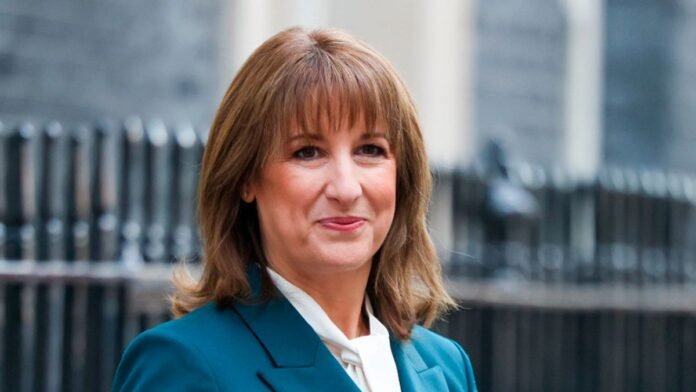


Neil Kinnock commended Rachel Reeves’s recent Budget for its initiatives aimed at tackling child poverty, emphasizing that the Labour Party is actively working to undo the injustices and harm caused by the previous Tory administration. Kinnock particularly praised the decision to eliminate the controversial two-child benefit cap, describing it as a crucial step in alleviating child poverty and benefiting the overall economy.
Having previously advocated alongside Gordon Brown for the removal of the Tory-era policy that imposed hardships on families, Kinnock expressed satisfaction with the Budget’s announcement to abolish the two-child benefit limit starting in April 2026. He highlighted the significance of this move in conjunction with other measures such as increased support for the NHS, enhanced public investments, and a fairer taxation system targeting high-income individuals and assets. According to Kinnock, these actions signify a gradual but essential shift towards rectifying the inefficiencies and injustices left behind by the Conservative government.
In response to criticisms and questions surrounding the Budget, Keir Starmer and Chancellor Rachel Reeves defended their decisions, emphasizing the necessity of everyone contributing to safeguard public services and assist families facing financial challenges. Despite concerns about potential breaches of Labour’s tax promises, Starmer reiterated the importance of prioritizing the well-being of society, particularly vulnerable children living in poverty.
Both Starmer and Reeves reiterated their commitment to minimizing tax burdens on ordinary working individuals while implementing measures to uplift struggling families. Reeves, in particular, emphasized her pride in the Budget’s focus on eradicating the two-child benefit limit, which is projected to lift hundreds of thousands of children out of poverty.
Analyses from the Resolution Foundation indicated that under Reeves’s Budget, poorer working-age families stand to benefit the most, while wealthier pensioners may experience a financial setback. The Foundation’s findings also highlighted the positive impact on families with at least one working member and projected gains for a significant number of households due to the removal of the two-child benefit limit.
Despite the positive outcomes predicted by the Budget, experts caution that challenges in living standards may persist in the coming years, with the full effects of the fiscal measures not fully realized until 2028.