


Iran has vowed to retaliate against the newly imposed U.S. sanctions targeting its economy, expressing confidence in its major trading partners’ resistance to Washington’s pressure tactics. Treasury Secretary Scott Bessent announced the measures after almost six months of unresolved conflict, stopping short of the harshest sanctions.
Despite enduring decades of U.S. and international sanctions that have inflicted economic damage, Iran remains undeterred. In response to potential U.S. economic actions, Iran threatened military retaliation and a decrease in Gulf oil exports. Iranian Economy Minister Ali Madanizadeh affirmed Iran’s readiness, stating, “Our defense is no longer purely defensive; enemies should anticipate an offensive approach.” He highlighted that neither China nor Russia had acknowledged the U.S. sanctions, and he anticipated similar resistance from other nations.
Brig.-Gen. Hossein Mohebbi, a spokesperson for Iran’s Islamic Revolutionary Guard Corps, warned of severe consequences for U.S. interests and energy routes if Iran’s infrastructure faced threats. The announcement coincided with Iran’s currency, the rial, plummeting to a record low amid existing economic challenges.
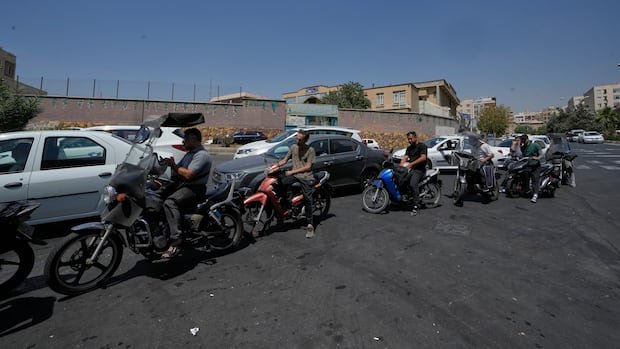
The escalating prices of essential goods have burdened Iranians, with rice costs surging by 60% and beef prices soaring over 150% since the conflict’s onset. Projections from the International Monetary Fund indicate a contraction of over five percent in Iran’s GDP.
President Trump’s recent social media post declaring Iran’s collapse contrasts sharply with his earlier promise of assistance to Iranian protesters against corruption and economic hardships. The interim deal signed between Iran and the U.S. in June to resolve the conflict quickly faltered, leading Iran to resume disruptive actions affecting energy exports from the Gulf.
While warning that countries continuing trade with Iran risked exclusion from the dollar-based financial system, Bessent refrained from specifying targeted nations or setting a timeline for compliance. The Treasury Department imposed new sanctions on individuals, entities, and vessels but omitted Chinese financial institutions suspected of supporting Iran’s oil trade.
China, Iran’s primary oil buyer, emphasized its lawful cooperation with Iran and urged non-interference in their relations. Despite the sanctions, oil prices declined as traders underestimated their impact, though concerns remain about Iran’s capacity to disrupt shipping.
Efforts to resolve the conflict diplomatically have stagnated, with Iran maintaining the ability to threaten neighboring countries and oil tankers. The status of Iran’s nuclear program, a target for elimination by the U.S. and Israel, remains uncertain.
Recent talks between Pakistan and Iran aimed at de-escalation and reopening the Strait of Hormuz have shown progress. The conflict has claimed thousands of lives, with Iran and Lebanon bearing the brunt of casualties, leading to a weakened Iranian military, economic struggles, and the reported demise of former Supreme Leader Ayatollah Ali Khamenei.