


Habiba Nosheen has a wealth of experience in storytelling through the medium of film.
The Emmy and Peabody award-winning filmmaker, who has worked as an investigative reporter (including time at CBC’s the fifth estate) and as a documentarian, has covered war-torn regions, addressed systemic sexual assault, and highlighted the exploitation of some of the world’s most marginalized individuals.
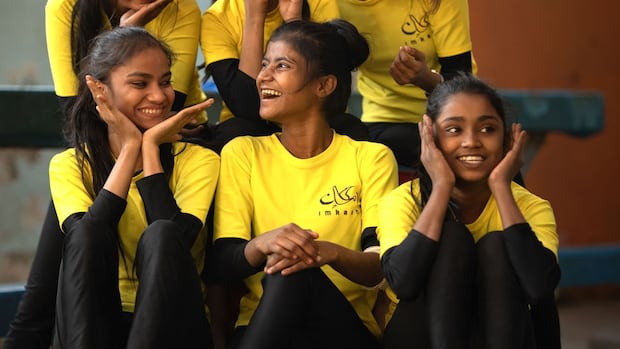
For her latest project, however, Nosheen sought to explore a different narrative. The outcome is The Gymnasts of Fisherman Colony, which premiered on CBC’s The Passionate Eye on Wednesday. This documentary showcases three young girls in Pakistan who defy gender stereotypes through their pursuit of gymnastics.
While the film delves into broader systemic challenges—such as the struggles of stateless children who lack citizenship and official recognition—it also adopts a more intimate perspective compared to Nosheen’s earlier projects.
CBC News engaged in a conversation with Nosheen about the process of creating the documentary.
The following interview has been condensed for brevity and clarity.
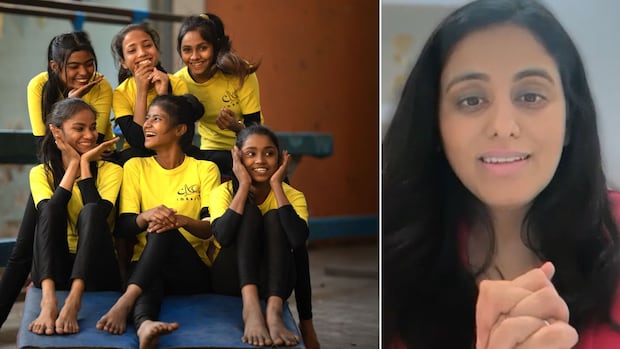
Emmy-winning filmmaker Habiba Nosheen speaks to CBC about her new documentary, The Gymnasts of Fisherman Colony. Executive produced by activist Malala Yousafzai and actress Mariska Hargitay, the film focuses on young female gymnasts in Pakistan.
This documentary presents a different perspective than your previous works — it seems more uplifting. Was that a deliberate choice?
This is the first storytelling piece I’ve created that my children are allowed to view [laughs]. So it marks a significant shift from my usual focus on investigative journalism.
Reflecting on my body of work, I realized that I had not included enough joy in my narratives. I had yet to explore stories showcasing brown women experiencing genuine happiness. I aimed to produce something that was grounded in that. I mean, I don’t shy away from reality, so the film does reflect complexity, with its fair share of challenges faced by the girls featured. Yet, it leans towards the lighter side, without a doubt.
This documentary is heavily centered around the characters, especially the three girls we closely follow. Can you share how you immersed yourself in their world and built that connection? What enabled you to achieve such intimacy and closeness?
Ten years ago, I adopted my daughter from Pakistan. The woman featured in the film, Tahera Hasan—who establishes an incredible school highlighted in the documentary—was my adoption lawyer.
Upon learning about the community of stateless children struggling for education and sports opportunities, I traveled to Pakistan, met with them, and felt compelled to share their story. Although other filmmakers had previously approached her about making a documentary, I believe that Tahera’s familiarity with my commitment to these issues—my advocacy for girls’ rights in Pakistan, independent of my journalism—helped build her trust. This connection allowed me access to the community as well.
I was unaware of the stateless challenges faced by the Bengali community in Pakistan, despite living just 20 minutes away. This realization made me feel that if I was unaware, many others likely were too, making it a story worth sharing.
Documentary filmmaking is experiencing a fascinating period. We see works like You Can See Everything gaining immense popularity globally, while Alex Gibney’s Musk has sparked considerable discussion, even if its box office success hasn’t paralleled.
As a seasoned documentarian, how do you perceive the current landscape? Is crafting documentaries and reaching audiences easier or more challenging than before?
Technology has certainly simplified aspects of creating what we define as a documentary. However, when it comes to funding and distribution, there’s a significant disparity. Documentaries focusing on celebrities or true crime tend to attract funding, but unfortunately, projects that are subtitled or originate from other countries face ongoing challenges in the arts sector. I believe this is the most significant obstacle we encounter as documentary filmmakers: telling stories that extend beyond the anticipated interests of the documentary audience.
The number of buyers for documentaries has decreased compared to five or six years ago, making the landscape considerably more difficult to navigate.
-
INTERVIEW
Queen of Canada documentary director wants you to know her followers are still out there
-
Loved You Can See Everything? Thank Canada
With activist Malala Yousafzai and actress Mariska Hargitay involved, how has collaborating with these prominent figures influenced the documentary and its outreach to audiences?
We are incredibly thankful that they recognized the value in this documentary and chose to lend their names to it.
Typically, in the realm of documentaries, they come on board after production is complete, having watched the film. When they saw the film before its premiere, they discovered elements that resonated with them. From what I understand, they were motivated to associate their names with it, which I find deeply moving. They come from vastly different backgrounds, yet both are dedicated to uplifting the narratives of these girls in Pakistan, making this a meaningful journey for us.
Have the subjects of this documentary had the opportunity to view the film? If so, what were their reactions to seeing themselves and their stories on screen?
Sonia, one of the girls featured, attended the Tribeca world premiere in New York. Just before our Q&A session, she revealed that she had never been to a movie theater before. Therefore, the first film she ever watched was one about her own life. I thought, ‘Good luck trying to top that!’ with whatever blockbuster she sees next.
It was truly wonderful to share that experience with her and Tahera in a theater setting. They deserve the recognition and space this film provides, as they and their community have often been overlooked. I feel honored that they entrusted us with their narrative.