
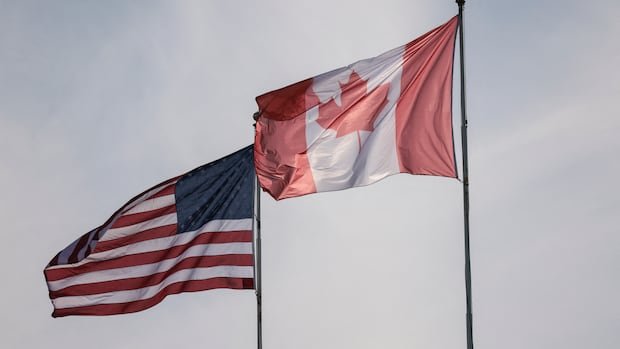


Canada and the United States are engaged in a severe trade conflict that could have significant repercussions. Recent negotiations between the two nations collapsed, leading to the imposition of U.S. tariffs of 50 percent on $27.6 billion worth of Canadian goods. In response, Prime Minister Mark Carney announced that Canada would impose “dollar-for-dollar” counter-tariffs on $27.6 billion worth of similar U.S. goods effective September 8.
President Donald Trump subsequently threatened additional tariffs that would double levies on Canadian automobiles, trucks, auto parts, and steel from 25 percent to 50 percent starting January 1, 2027. Both sides are showing no signs of backing down, prolonging the standoff. As tensions escalate, the impact on Canadians is expected to worsen. Ottawa has allocated $7.5 billion to support workers and businesses affected by the new tariffs.
The escalating trade war raises concerns about the severity of its consequences. Canadian businesses, especially small to medium-sized enterprises in one-employer towns, are likely to suffer economic damage due to strategically placed tariffs. The impending hardships may include difficulties in meeting financial obligations, providing for families, and supporting extracurricular activities like hockey and education.
The lack of a clear resolution path suggests that challenging conversations lie ahead for Canadians, with potential layoffs and reduced working hours. The government may need to enhance social support programs to assist affected individuals. The ongoing situation underscores the importance of resilience and unity in confronting the trade dispute. Calls for patriotism and support for Canadian products amid boycotts of American goods are becoming more prominent.
However, the disparity in population size between Canada and the United States complicates the situation, as Canada relies on the American market for economic prosperity. The extended conflict poses increasing challenges for Canadian companies and employers, highlighting the critical need for a resolution to safeguard economic stability.
Despite some previous tariff reductions, the current situation presents a new level of economic strain. The evolving dynamics in the Canada-U.S. relationship, as acknowledged by Mark Carney, indicate a shift that demands Canadian resolve. The expectation that Canadians will resist external pressure and stand firm in the face of adversity underscores the gravity of the trade war and the need for a unified national response.