
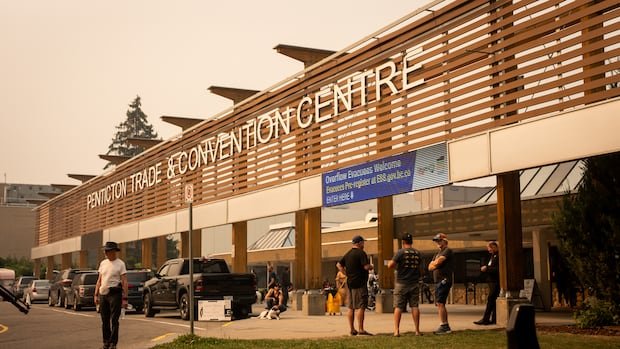


Dawne Young, a retired 911 dispatcher, has firsthand experience with handling emergencies. Throughout her career, she fielded calls ranging from house fires to ongoing criminal incidents. However, when the Bald Range wildfire erupted in Summerland, she felt that the province could have been better prepared.
Young recalled the day the fire started on August 7, mentioning that not all her family members received the emergency alert simultaneously. While they were together, one family member received the alert while the other did not.
After evacuating and seeking shelter at a friend’s house, Young tried to register as an evacuee. She encountered issues with the registration process, being informed that verification would only occur on weekdays between 9 a.m. and 5 p.m. Despite eventually getting verified, she was instructed to proceed to a reception center, which she found contradictory to the purpose of online registration.
Subsequently, Young faced a series of challenges, including multiple phone calls, extended wait times, and conflicting information. She described the situation as stressful and frustrating, emphasizing the need for immediate assistance during evacuations.
Expressing empathy towards the volunteers managing emergency services, Young emphasized the necessity for increased government investment in emergency management. She highlighted the escalating impacts of climate change on wildfires and urged both individuals and authorities to enhance preparedness.
During a visit to Penticton, Premier David Eby acknowledged the existing shortcomings in the emergency support services system despite recent improvements. He committed to conducting a comprehensive review of the response to the Bald Range wildfire, aiming to incorporate lessons learned for future enhancements.
Researchers, including Kathryn McConnell from the University of British Columbia, noted common challenges with emergency alert systems during wildfires. McConnell suggested exploring analog alert sirens as an additional method, citing their successful implementation in countries like France for fire and flood warnings.
While advocating for redundancy in emergency management systems to mitigate failures, McConnell cautioned against relying solely on telecommunications-based alerts. She emphasized the importance of incorporating multiple communication channels to ensure effective dissemination of alerts.
In conclusion, the collective stance is on the importance of continuous improvement and innovation in emergency response strategies to better protect communities during crises.