


Hating a movie can sometimes be more engaging and thought-provoking than loving it. A film that is exceptionally foolish, poorly conceived, or morally corrupt can generate as much discussion and contemplation as a genuinely touching one. In both scenarios, there is at least some element that stirs emotions.
This disappointment is what makes encountering a film like “The Social Reckoning” disheartening. The sequel to “The Social Network,” written and directed by Aaron Sorkin, is a rare and regrettable anti-artistic creation. It tries to position itself as perpetually relevant but ends up being so vacuous and unoriginal that it fails to evoke proper disdain, let alone constructive hatred.
“The Social Reckoning” delves into Facebook’s era of boundless expansion and aims to critique one of the tech giants responsible for societal issues. However, the film falls short of expectations despite its talented cast and crew. The narrative follows the struggles of a reporter at a declining publication and a disillusioned Facebook employee as they uncover a pattern of misconduct that has sown chaos and misinformation.
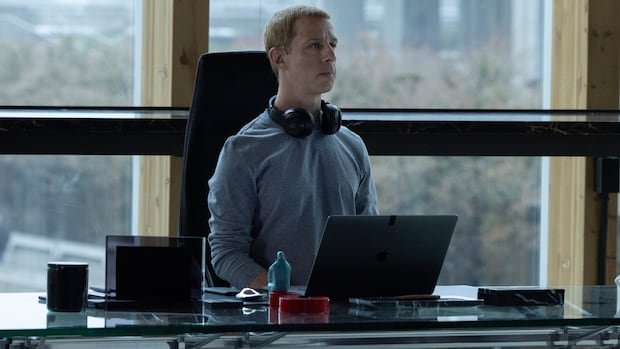
The portrayal of Mark Zuckerberg in “The Social Reckoning” lacks depth and fails to match the complexity seen in previous depictions of the character. The film uses Zuckerberg more as a peripheral figure, with the main focus on other characters navigating the challenges posed by social media giants.
The movie attempts to weave a tale of exposing corporate malpractice but ends up feeling uninspiring and cliché. The lack of narrative substance and reliance on tropes make it a lackluster viewing experience. Despite the potential for incisive commentary on contemporary issues, “The Social Reckoning” falls short in delivering a compelling and engaging narrative.
Overall, the film’s shortcomings lie in its lack of risk-taking, specificity, and purpose. It fails to provoke strong emotions or meaningful engagement, leaving viewers with a sense of mediocrity and missed opportunities. In comparison to its predecessor, “The Social Reckoning” lacks the depth and insight that made “The Social Network” a captivating exploration of its subject matter.
In conclusion, “The Social Reckoning” disappoints not for being overtly bad, but for its lack of passion and courage in addressing important themes. Ultimately, the film’s greatest flaw is its failure to evoke any strong feelings, making it a forgettable and unremarkable piece of cinema.