


In 2020, government investigators in Goa, India, visited United Marine Products factory to probe its disposal of toxic wastewater. Local complaints about air and water pollution led to the discovery of illegal wastewater disposal via bore holes, contaminating groundwater and affecting residents. The plant owner denied any wrongdoing.
The factory supplied Skretting, a major feed producer used in Canadian fish farms, connecting Canadian seafood consumers indirectly to these environmental and social issues. The Outlaw Ocean Project’s investigation revealed hidden costs in fish feed production, impacting artisanal fishing jobs, worker safety, and community protests in various countries.
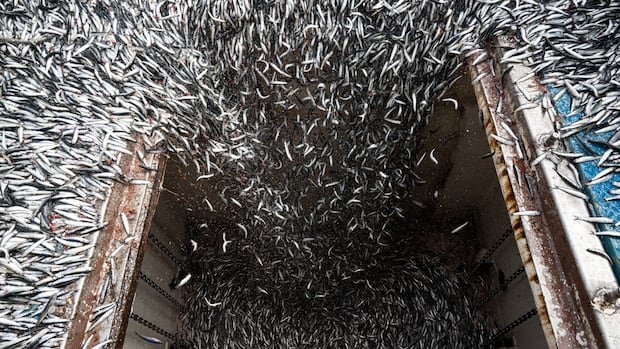
Aquaculture’s reliance on fish meal has raised concerns about overfishing and environmental impacts. While efforts to reduce fish meal usage are underway, the global industry still faces sustainability challenges. Canada’s fish farms rely on foreign-sourced fish meal, linking Canadian consumers to overseas social and environmental consequences.
The Outlaw Ocean Project’s multi-year investigation documented global fish meal industry practices, uncovering issues like food insecurity, pollution, and labor abuses in countries like Gambia, Mauritania, India, Peru, and China. The investigation highlighted unsustainable fishing practices and the need for greater transparency and accountability in the fish meal industry.
Despite industry claims of reducing fish meal reliance, the demand for fish meal continues to rise with the growth of aquaculture. Companies like Skretting have initiated investigations into their supply chains to address potential breaches. Major Canadian supermarkets sell products sourced from factories involved in unethical practices, prompting calls for responsible procurement practices across the supply chain.