
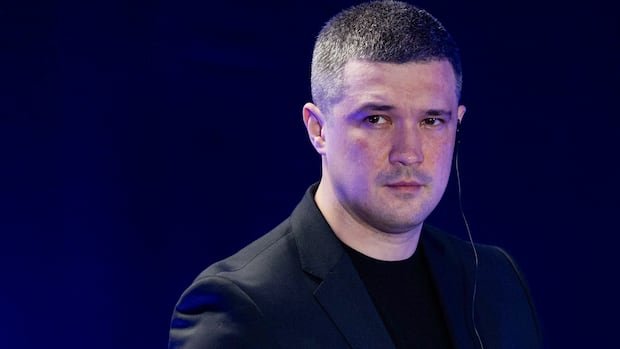


Ukrainian President Volodymyr Zelenskyy is facing renewed pressure to organize elections during the ongoing war with Russia, despite constitutional restrictions on holding elections during martial law. Mykhailo Fedorov, a former defense minister, recently ousted from his position, has called for finding a legal and safe mechanism to allow the country to resume its democratic process amidst the wartime conditions.
While some believe that holding elections is currently impractical due to the ongoing conflict that began in February 2022, the political implications of the election demand are significant for Zelenskyy. Tymofiy Mylovanov, a former government minister, noted that Fedorov’s call has made elections a pressing domestic issue, yet the actual timing remains uncertain.
Fedorov, known for his tech-savvy approach and reformist stance, was seen as a key figure in Zelenskyy’s administration before his dismissal. Despite his popularity and vocal support for drone warfare against Russia, Fedorov was removed from his defense minister role in July, sparking protests demanding his reinstatement.
The feasibility of holding elections amid the ongoing conflict is questioned by many, including combat veteran Dmytro Koziatynskyi, who raised concerns about logistical challenges for voting, especially for military personnel on the front lines. Lesia Bidochko, a policy fellow, criticized Fedorov’s election push as populist, highlighting the practical difficulties of organizing elections with millions displaced and serving in the military.
Lawmaker Lesia Vasylenko emphasized the complexity of constitutional changes required for elections during martial law, describing it as nearly impossible to orchestrate under the current circumstances. Zelenskyy’s response to Fedorov’s election call is awaited, while concerns persist about the potential risks of holding wartime elections, including threats to national unity and potential exploitation by Moscow.
The debate around wartime elections continues, with Zelenskyy’s legitimacy questioned by Russia and calls from various quarters for a democratic mandate. The delicate balance between political demands and the realities of the conflict underscores the challenges faced by Ukraine’s leadership in navigating the path ahead.