
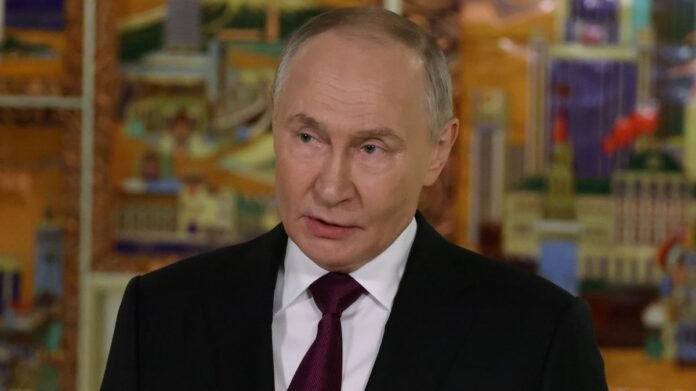


The conflict in Ukraine is expected to continue for an extended period, with diplomatic efforts between US envoy Steve Witkoff and Vladimir Putin increasingly seen as symbolic gestures rather than genuine peace initiatives. Each meeting, including those between Trump and Putin, serves as a platform for Putin to assert dominance, reject Western influence, and maintain a strong image.
The Kremlin’s rejection of a revised peace plan was anticipated, as it falls short of Putin’s original demands. President Donald Trump’s peace proposal closely aligned with Kremlin interests, making it challenging to propose alternative solutions. Putin is unlikely to compromise on his wartime objectives, viewing the conflict as essential for his political survival and support from nationalist factions.
As the conflict persists, Ukrainians face harsh conditions as Russian attacks target their energy infrastructure, leaving many without basic necessities during freezing temperatures. In response, Ukraine retaliates with nightly assaults on Kremlin energy resources, exerting pressure on Putin and disrupting Russian financial resources derived from energy exports.
Putin’s reluctance to end the war indicates a strategic move to leverage his position with the White House. The failure to reach a peace agreement weakens the Trump administration and strengthens Putin’s stance on making concessions. The situation may force Ukraine to take drastic measures for self-defense if external support diminishes, posing a crucial decision for European leaders in dealing with Putin’s aggression.
Tensions escalate as the possibility of direct conflict between the West and Russia looms, with covert tactics evolving into more overt confrontations. NATO faces the challenge of preparing for potential warfare against Russia, necessitating a firm stance against Putin’s aggressive actions.
The scenario may shift if Trump adopts a more assertive stance against Russia, signaling a departure from the current diplomatic approach. However, the prospect of deterring Russia’s aggression remains uncertain, raising concerns about the escalating crisis and the need for decisive action to address the evolving geopolitical landscape.