
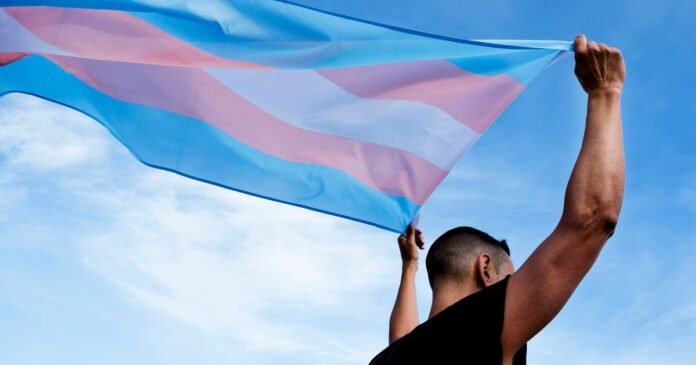


The issue concerning transgender individuals is fundamentally a matter of human rights. It is crucial to understand that the equality, happiness, and mere existence of transgender people should not be up for debate or scrutiny in terms of being supported or opposed.
Society has veered off course from the basic understanding that individuals should not impede on others’ livelihoods and existence, especially with good intentions.
Recent reports from The Times revealed that Bridget Phillipson, the Minister for Women and Equalities, received guidance from the Equality and Human Rights Commission (EHRC) on managing ‘single sex spaces’. The guidance suggested that transgender individuals might face exclusion from such spaces based on their physical appearance.
Defining womanhood solely by physical attributes, such as lip fullness or body curves, is outdated and narrow-minded. Womanhood transcends biology, as proven by past feminist struggles for autonomy beyond bodily characteristics.
The current fixation on conforming to specific gender norms for access to gender-specific spaces is detrimental to a diverse and inclusive society. Imposing rigid definitions of gender only leads to conservative restrictions on individual expression.
Advocating for the strict policing of single-sex spaces overlooks the potential harm and discrimination that such actions can inflict, not only on the transgender community but also on women at large.
While ensuring access to single-sex facilities for women is essential for services like domestic violence support and rape crisis centers, it is equally important to treat transgender individuals with dignity and respect in the process.
Engaging in public debates on who should be barred from certain spaces undermines the core principles of respect and decency towards all individuals, especially the marginalized transgender community.
Recent legal decisions, such as the UK Supreme Court ruling on the definition of ‘woman’ in the Equality Act 2010, have further complicated discussions on gender identity and rights.
The minority status of individuals whose gender identity differs from their assigned birth sex should not be a basis for discrimination or hostility, both online and in real-life interactions.
Actress Jameela Jamil criticized the disproportionate focus on a minority group as a diversion from addressing more pressing societal issues, emphasizing the importance of inclusivity and shared prosperity in a diverse society.
It is crucial to reject fear-mongering and prejudice against any group, as promoting unity and acceptance leads to a richer and more harmonious society.