


The ongoing Covid-19 Inquiry has sparked renewed discussions on the effectiveness and implications of lockdown measures.
In light of the extensive 760-page report, various commentators are selectively quoting sections to align with their existing viewpoints. However, the overarching conclusion of the largest public inquiry in British history is unequivocal – the absence of lockdowns would have resulted in an intolerable and unacceptable loss of life, with the National Health Service facing overwhelming challenges.
Chair Baroness Heather Hallett emphasized that while full national lockdowns might have been avoidable, they ultimately became inevitable due to the government’s inaction led by Prime Minister Boris Johnson, who held libertarian principles.
In early 2020, as China swiftly enforced stringent lockdowns in Wuhan and other regions affecting millions, Western leaders hesitated to adopt similar measures, viewing them as incompatible with Western values of liberty.
This delay in taking proactive measures led to a missed opportunity in February 2020, termed as a “lost month” by Lady Hallett, where the implementation of more moderate and sustainable interventions like contact tracing and mask-wearing could have curbed the virus spread, potentially averting the need for a national lockdown.
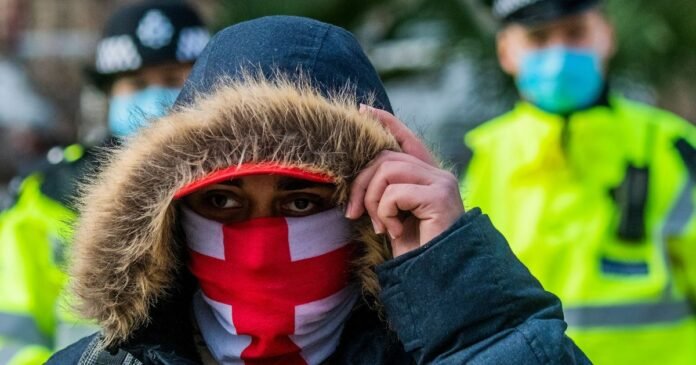
Critics of lockdowns, often opposed to measures like mask mandates and social distancing, inadvertently contributed to the necessity of lockdowns by resisting preventive actions. Prime Minister Johnson’s public display of shaking hands in the early stages of the pandemic reflected a dismissive attitude towards health precautions recommended by scientific advisors.
The inquiry highlighted that the premature relaxation of restrictions in July 2020, despite warnings from experts, escalated the risk of subsequent outbreaks, demonstrating the repercussions of hasty decision-making in managing the pandemic.
The report underscored that if stricter measures had been introduced earlier, the length and severity of lockdowns could have been mitigated, emphasizing the importance of timely and cautious interventions to prevent prolonged restrictions.
As the broadest public inquiry in British history unfolds, it is imperative to glean valuable insights from past mistakes and ensure that the reluctance towards preventive measures does not impede the adoption of necessary lessons for future crises.