
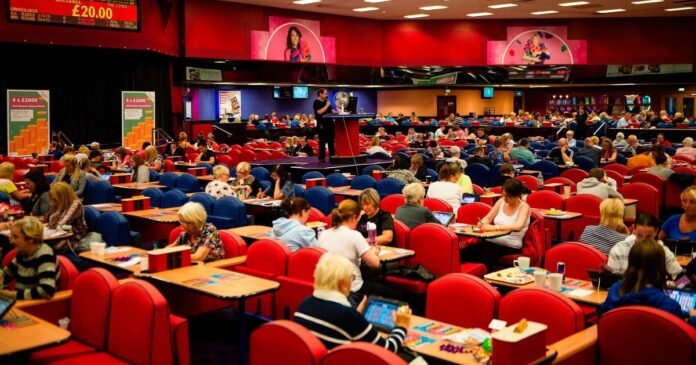


Most bingo halls could face closure if the industry is hit with a Budget tax increase, warned Chancellor Rachel Reeves. Bingo club operators are concerned about being impacted by a broader crackdown on the gambling sector. Speculations suggest that taxes on betting firms could double to 30%, while duties on slot and gaming machines may rise from 20% to as high as 50.
Miles Baron, CEO of The Bingo Association, emphasized that slot machines play a crucial role in supporting the primary bingo game in clubs. He expressed concerns that any tax increase beyond the current level would severely harm the industry, leading to the closure of bingo halls. The sector has already experienced challenges due to escalating costs and competition, with the number of bingo halls decreasing from 335 before the pandemic to 247 presently.
The Bingo Association reported that all bingo clubs collectively generate around £35 million in annual profits, but a significant portion of these profits was eroded by last year’s Autumn Budget, along with the rise in employers’ national insurance and the minimum wage. The industry, supporting approximately 7,000 jobs predominantly in halls and clubs, faces uncertainties amid the potential tax changes.
Betfred, a major gambling company, also raised concerns, stating that all of its 1,300 high street shops could shut down if industry tax hikes proceed. The company’s co-founder, Fred Done, highlighted the substantial threat posed by proposed tax increases, indicating that profitability would be severely impacted if taxes reached 35% or higher.
Former Labour Prime Minister Gordon Brown advocated for increased levies on undertaxed profits in the gambling sector, proposing that it could generate significant revenue to alleviate child poverty. The bingo industry pays substantial taxes, with bingo clubs contributing approximately £150 million in taxes last year.
The impending Budget on November 26 is anticipated to address the fiscal deficit, prompting discussions on potential tax adjustments. The warnings from industry leaders add pressure on the Chancellor and the Treasury to balance public finances without further damaging Labour’s reputation.