
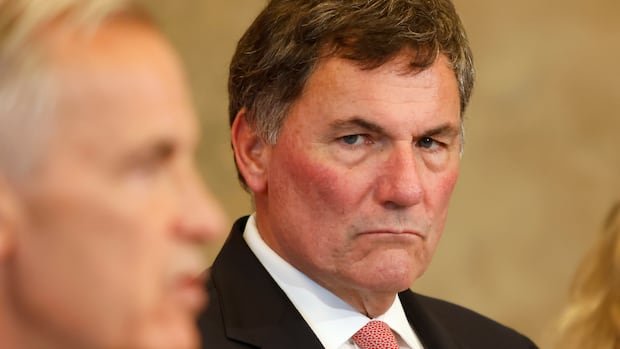


Canada’s Trade Minister, Dominic LeBlanc, expressed satisfaction with the United States retracting its stance on French language and culture issues following U.S. Trade Representative Jamieson Greer’s statement indicating that Canada’s streaming regulations are not a critical point for the U.S.
LeBlanc stated that Canada appreciates the U.S. withdrawing its positions on discoverability and labeling, confirming that actions supporting French language and Canadian culture will not trigger future trade disputes. He eagerly anticipates additional clarifications from the U.S. to pave the way for a mutually beneficial trade agreement respecting Canadian sovereignty.
Previously, Prime Minister Mark Carney instructed negotiators to cease discussions after the Trump administration raised concerns about culture, automobile industry, and sovereignty demands.
Carney cited objections from the U.S. regarding Canadian subsidies for French culture, the presence of French media online, and bilingual product labeling in Canada as unacceptable. He emphasized that these issues were non-negotiable and did not align with Canadian interests.
In a recent interview with CBC News, U.S. Trade Representative Jamieson Greer appeared to soften the U.S. stance on cultural and language matters. Greer acknowledged the significance of the French language in Canada and emphasized its importance. He assured that the U.S. would not allow negotiations to fail over such matters, considering them non-essential in the deal-making process.
Despite the positive shift in language and culture discussions, Greer noted that the negotiation process had nearly collapsed. He mentioned the absence of ongoing discussions between the U.S. and Canada, indicating a pause in communications with Minister LeBlanc as of the latest update.
In response to accusations by U.S. Commerce Secretary Howard Lutnick that Carney politicized the negotiations by walking away, Carney defended his stance, claiming that the concerns raised were genuine and crucial to Canada. Lutnick’s dismissal of these concerns triggered a backlash, with political figures in Quebec questioning the authenticity of the negotiations and the impact on the upcoming provincial election.
The situation escalated with the imposition of U.S. tariffs on Canadian products and retaliatory tariffs by Canada on U.S. imports. Despite the potential for a deal based on the cultural and language adjustments, the current stalemate in negotiations casts doubt on the immediate resumption of talks between the two nations.