
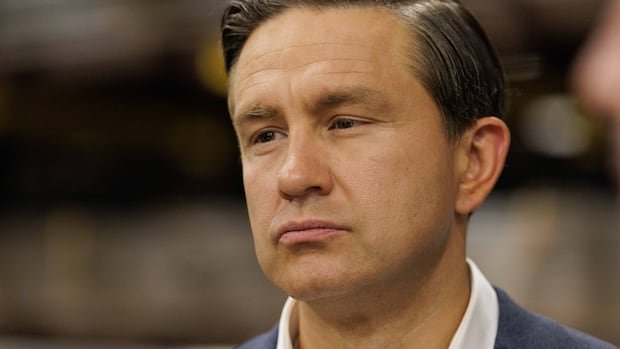


Conservative Leader Pierre Poilievre is urging Prime Minister Mark Carney to convene Parliament to provide details on the rejected U.S. trade deal and clarify how Canadians will be impacted by his retaliatory measures. Poilievre emphasized the importance of transparency, stating that Canadians should have access to the agreement to assess available options.
In a letter addressed to Carney, Poilievre raised concerns about the potential economic repercussions of Carney’s trade and economic strategies, including increased costs on essential items like groceries and fuel. He also sought assurances on safeguarding jobs in industries such as steel, aluminum, lumber, and auto manufacturing, which are at risk due to tariffs.
Following the suspension of trade discussions with the U.S., Carney accused the U.S. administration of imposing restrictions that hinder Canada’s trade partnerships with other nations. He vowed to impose retaliatory tariffs in response to new U.S. tariffs that went into effect recently.
Poilievre stressed the necessity for Parliament to hold the government accountable during this critical time, emphasizing the urgency of prioritizing the national interest. He underscored the Conservatives’ readiness to return to Parliament promptly to address the escalating economic challenges facing Canada.
The contents of Poilievre’s letter echoed similar sentiments expressed by Canada-U.S. relations critic Shuvaloy Majumdar, who highlighted the lack of transparency surrounding the rejected trade deal. Majumdar emphasized the need for clarity on the terms discussed between the two countries.
Carney announced retaliatory tariffs in response to the new U.S. tariffs targeting a wide range of Canadian exports. Canada walked away from what Carney described as a “bad deal,” leading to the decision to implement retaliatory measures starting on September 8.
In an online post, U.S. President Donald Trump mocked Canada, referring to it as another U.S. state seeking benefits without formal inclusion. Meanwhile, other opposition parties in Canada supported the idea of the government briefing party leaders or MPs on the developments in the trade negotiations.
Carney accused the U.S. administration of introducing last-minute measures that restricted Canada’s trade capabilities with other nations. He also highlighted additional terms proposed by the U.S., including limitations on Canada’s language and culture protections, as well as an offer to reduce tariffs on certain vehicles in exchange for concessions, excluding medium and heavy trucks.