
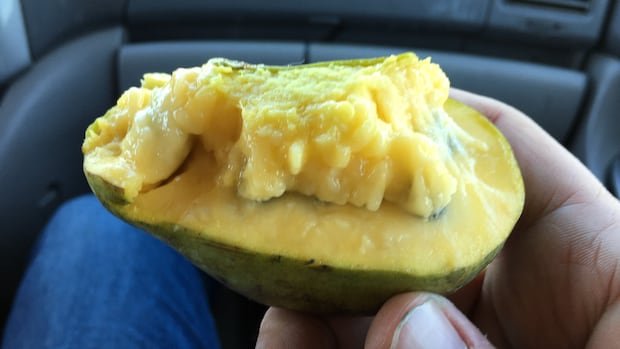



It may come as a surprise to some that the tropical-flavored pawpaw fruit thrives right here in Canada. Chef Tawnya Brant promises a delightful experience if you manage to get your hands on one.
According to Brant, the owner of Yawékon Foods and host of APTN’s One Dish One Spoon, “Imagine the essence of the tropics. If that were a taste or a scent on its own, that’s likely what a pawpaw embodies.”
Brant, a Mohawk chef hailing from Six Nations of the Grand River, describes the fruit as a blend of banana, mango, and pineapple flavors with a creamy consistency that turns almost caramel-like as it ripens.
She elaborates, “It’s akin to a peculiar banana, somewhat shorter and plumper, more oval-shaped, and with large seeds inside.”
Pawpaws have been a staple in North America for centuries, once plentiful from Florida to Missouri and southern Ontario. Indigenous communities extensively cultivated them before colonization, but their presence diminished as land was cleared for agriculture. Despite this, some wild pawpaw trees still grow in specific regions of southern Ontario, British Columbia, and Quebec, bearing fruit in autumn.
One reason pawpaws remain relatively obscure is their short shelf life; they quickly brown once picked. Additionally, they are highly susceptible to bruising, complicating large-scale harvesting and commercial distribution.
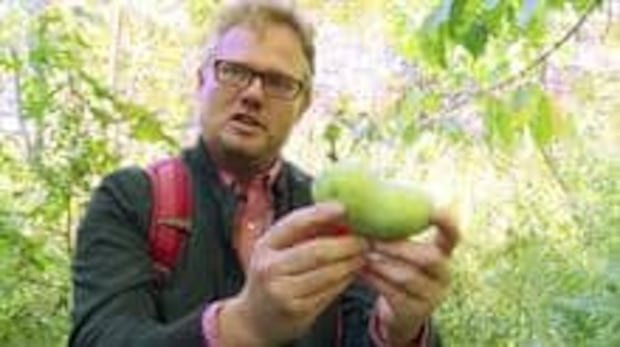
Exploring wild pawpaws in a concealed location near London, Ontario, with forager and ecologist Mathis Natvik.
Brant’s introduction to pawpaws occurred approximately ten years ago when a friend brought some to her late mother’s garden. Prior to that, she had heard about the fruit and the historical involvement of the Haudenosaunee in transporting the trees up the eastern coast over the centuries “simply because we loved them so much.”
She recalled, “I was informed that children used to ride makeshift rafts down creeks to gather them.” She emphasized