
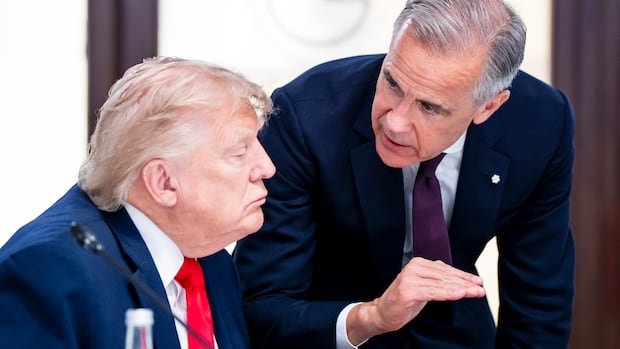


The ongoing trade disagreement between the United States and Canada, which has lasted for over 19 months, involves tariffs imposed by former President Donald Trump in February 2025, contradicting a trade agreement from 2018. The standoff is likely to persist for several more months, according to Wolfgang Alschner, a trade law professor at the University of Ottawa.
Mark Carney, speaking recently about the latest American tariffs, deemed them relatively modest compared to previous actions by the U.S. administration. This assessment suggests that further retaliatory measures from Canada may not be imminent, signaling a potential equilibrium in the escalating tensions.
Despite the prolonged impasse, key negotiators from both sides, such as Jamieson Greer for the U.S. and Dominic LeBlanc and Janice Charette for Canada, have maintained a professional stance, leaving room for future negotiations. Meredith Lilly, an international economic policy expert, highlighted potential triggers that could restart talks in the coming months.
While American officials may believe in their economic advantage, experts like Paul Krugman and Roland Paris argue that Canada holds political leverage due to strong public support against the trade conflict. The Canadian public’s sentiment could impact future negotiations and the path forward in resolving the dispute.
The trade dispute’s impact on the relationship between Canada and the U.S. remains uncertain, with questions arising about the potential long-term effects on public perception and diplomatic ties. The fallout from the trade talks and the decisions made in response will likely shape the future dynamics between the two nations.