
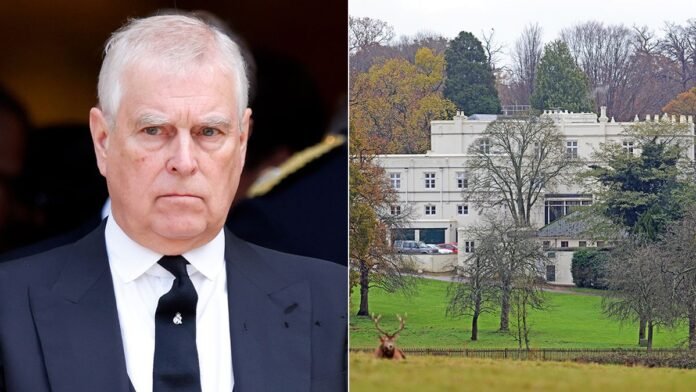


Prince Andrew has left his Royal Lodge residence in Windsor, a 30-room mansion, following pressure from the King and Prince William. The decision came after scrutiny over his connections to Jeffrey Epstein and allegations of sexual abuse by Virginia Giuffre. Despite denying the allegations, Andrew’s situation became untenable due to revelations of minimal rent payments for over two decades.
In an official statement from Buckingham Palace, it was announced that Prince Andrew will now be known as Andrew Mountbatten Windsor. He has been asked to vacate the Royal Lodge and move to alternative accommodation. The Palace emphasized support for abuse victims and survivors.
This move follows Andrew relinquishing his Duke of York title before the release of a memoir by Virginia Giuffre. Recent revelations also exposed his false claims about cutting ties with Epstein and his involvement in passing private information to discredit Giuffre.
The Metropolitan Police is actively investigating claims that Andrew shared confidential details to undermine Giuffre. Emails unveiled Andrew’s communication regarding Giuffre’s personal information to his protection officer, raising concerns over his actions and rent-free living arrangements.
The Public Accounts Committee raised questions about the cost implications of Andrew’s lease on the Crown Estate and its value for public money. Despite no direct call for action, there is mounting pressure on the King to distance Andrew from royal privileges. Allegations surfaced that Prince William considered revoking titles from Andrew’s daughters to influence his departure from the Royal Lodge.
Concerns over Andrew’s conduct have sparked public interest and scrutiny, leading to his relocation and potential legal consequences. The ongoing controversy surrounding the former royal highlights the complexities of his past actions and their repercussions on his standing within the royal family.