
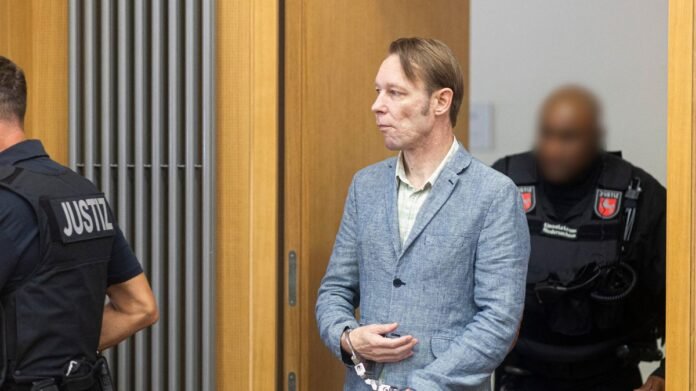


Christian Brueckner, the main suspect in the Madeleine McCann case, has been reported to be living in a tent in a forest. The convicted sex offender has established his temporary camp in a wooded area in a German city, just a 30-minute drive from his previous hideout following his recent release from prison. According to a close acquaintance, Brueckner had to relocate from the forest as locals were actively searching for him, prompting police intervention. The friend revealed that the police woke Brueckner up in his tent late at night after spotting people looking for him in the bushes. Subsequently, he was instructed to move to another camping spot but faced challenges finding a suitable location, ultimately settling in a nearby forest while being cautioned about potential falling branches due to upcoming storms.
Brueckner continues to deny any involvement in the disappearance of Madeleine McCann, who went missing at the age of three during a family vacation in Portugal in 2007. Concerned mothers in Germany have taken it upon themselves to monitor the vicinity where Brueckner is residing, expressing worries about public safety. Organizing a demonstration and planning further actions, including writing to the city’s mayor and gathering signatures for a petition, the group named Victims Protection Before Perpetrator Protection emphasized the need for increased security measures. One member, identified as Annika B, shared her heightened concerns for her family’s safety and the constant fear of Brueckner’s presence in their surroundings, leading to restrictions on her children’s outdoor activities.
Brueckner, aged 48, was released from custody on September 17 after serving a seven-year sentence for assaulting an American woman in Praia da Luz, Portugal, in 2005. German authorities have labeled him as the primary suspect in the Madeleine McCann case due to his connections to the resort where she disappeared. Despite being under scrutiny, Brueckner has not faced formal charges related to the incident. The community’s vigilance remains high, with ongoing protests and advocacy efforts aimed at demanding improved security measures and fostering a sense of safety among residents.