
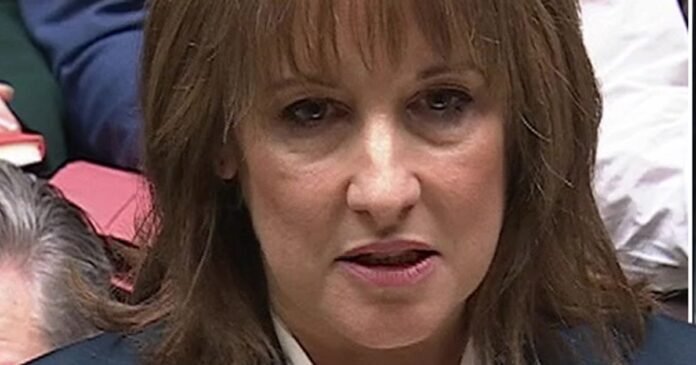


Rachel Reeves has disclosed a £26 billion yearly increase in taxes in a Budget that was leaked just before its official release. The Chancellor introduced a new mansion tax targeting properties valued over £2 million and confirmed the removal of the two-child benefit limit. Additionally, income tax thresholds will be frozen, impacting over 1.5 million workers. The gambling industry will face new levies, while fuel duty will remain unchanged until the following year, according to Ms. Reeves.
During a lively session in the House of Commons, Ms. Reeves stated, “These are my decisions. The right choices for a fairer, stronger, and more secure Britain.” Here, The Mirror delves into the crucial details of the eagerly awaited Budget.
A new tax on homes above £2 million was announced, anticipated to affect between 100,000 and 200,000 properties. The levy will range from £2,500 to £7,500 annually, expected to generate approximately £400 million for the Treasury each year.
Furthermore, a “high value council tax surcharge” will be imposed on properties exceeding £2 million starting in April 2028. The surcharge will vary based on property value bands, ranging from £2,500 to £7,500.
The Chancellor’s decision to abolish the two-child benefit limit, initially introduced in 2017, is estimated to cost the Treasury £3 billion by 2029-30. However, it is projected to reduce child poverty by 450,000.
In a significant move, Ms. Reeves announced reforms to gambling taxes, aiming to raise £1.1 billion. This includes an increase in remote gaming duty from 21% to 40% in April 2026 and the introduction of a 25% general betting duty for remote betting from April 2027.
Rail passengers will benefit from the first fare freeze in three decades, saving them £600 million in the upcoming year across more than a billion train journeys. Additionally, income tax thresholds will remain frozen until 2030, resulting in more individuals entering higher tax brackets as their incomes rise.
A new mileage-based charge on electric and plug-in hybrid vehicles will be implemented from April 2028, expected to raise £1.4 billion for the Treasury. Moreover, an average household will see a £150 reduction in their energy bills from April.
Pensioners are set to receive a boost of around £550 per year as the state pension increases in April next year in line with earnings growth. The current state pension rate of £230.25 per week is expected to rise to over £240 per week from April.
Ms. Reeves will maintain the 5p fuel duty cut until September 2026 before gradually reversing it, as outlined by the Office for Budget Responsibility. This measure is projected to cost around £2.4 billion in the upcoming year and £0.9 billion in the medium term.
The Chancellor confirmed pay rises for approximately 2.7 million workers from April, including an increase in the National Living Wage to £12.71 per hour for workers over 21 years old and an 8.5% raise in the National Minimum Wage for 18 to 20-year-olds to £10.85 per hour.
National insurance contributions will now be levied on salary-sacrificed pension contributions, estimated to generate £4.7 billion annually starting April 2029. The Soft Drinks Industry Levy threshold will be lowered to 4.5g of sugar per 100ml to combat obesity, with an expected implementation in January 2028.
The cash ISA limit will be reduced to £12,000 for younger savers from April 2027, while over-65s will still be able to save up to £20,000 annually in a cash ISA. Additionally, a new tax on overnight stays in accommodations, including Airbnbs, will be introduced, with funds allocated to regional authorities.
Ms. Reeves pledged a £300 million investment in NHS technology and the establishment of 250 new neighborhood health centers to enhance patient services. Moreover, funding for the Lower Thames Crossing and various transportation projects was confirmed to boost regional development.
In summary, the Budget unveils a series of tax adjustments, benefit reforms, and investment initiatives aimed at fostering economic growth, social welfare, and public services.