
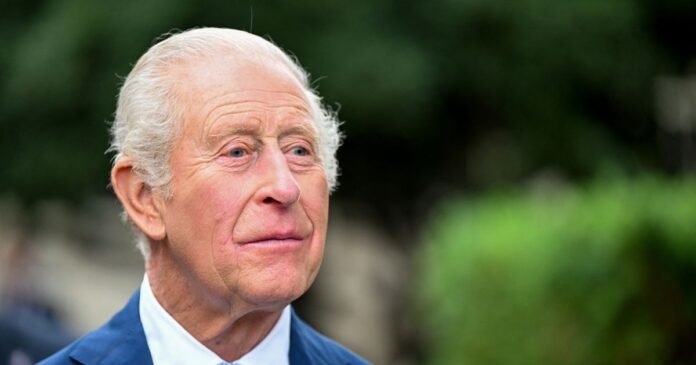


King Charles is scheduled to visit the National Memorial Arboretum in Staffordshire today to honor the first memorial dedicated to LGBT armed forces personnel. The unveiling of a bronze sculpture named “An Opened Letter” will commemorate the impact of the ‘gay ban’ in the UK military, which criminalized homosexuality in the forces until as recently as 2000. Approximately 20,000 armed forces personnel faced imprisonment, dismissal, or exposure against their will before the ban was lifted, leading to severe bullying and long-term mental health issues for many.
The sculpture, resembling an opened letter, symbolizes the personal letters that were used to discredit and incriminate serving personnel, often resulting in prosecution and imprisonment. The project to establish this permanent memorial was spearheaded by Fighting with Pride, the LGBT Armed Forces charity.
Peter Gibson, the CEO of the charity, expressed the significance of the new memorial in rectifying the injustices faced by former members of the armed forces supported by Fighting With Pride. The memorial represents a poignant moment acknowledging the past mistreatment and emphasizing the importance of preventing such discrimination from occurring again.
Claire Aston, a former member of the Army’s Royal Artillery, shared her emotional journey of being discharged in 1972 at the age of 21 due to her sexuality, highlighting the lasting impact it had on her life. The unveiling of the ‘Opened Letter’ sculpture has provided a cathartic experience for many like her, fostering a sense of solidarity and healing among individuals who have endured similar hardships.
Abraxas Academy, an artist collective based in Norfolk, won a design competition to create the memorial, ensuring it serves as a year-round space for remembrance and contemplation for current and future LGBT+ military personnel and their families.
Lord Etherington condemned the past discrimination within the Armed Forces, acknowledging it as a tarnish on their esteemed history. Former Prime Minister Rishi Sunak issued an official apology to those affected, with compensation schemes established for individuals who suffered as a result of the discriminatory policies.
Carl Austin-Behan, who was dismissed from the RAF in 1997 due to his sexual orientation, reflected on the profound impact of the LGBT+ memorial, evoking memories of the challenges he faced during his service. He expressed hope that the memorial would spark crucial conversations about discrimination and raise awareness about its detrimental effects.
The inauguration of the UK’s first LGBT+ armed forces memorial is expected to prompt meaningful dialogues within society, shedding light on the dangers of discrimination and fostering inclusivity and respect.