


The essence of British and Irish literary excellence is thriving in the hands of innovative talents. The unveiling of the shortlist for the 2025 Sunday Times Charlotte Aitken Young Writer of the Year Award sends a powerful message: the upcoming generation is actively engaged in dismantling societal and political barriers rather than being absorbed by electronic devices.
For more than three decades, this prestigious award has been a beacon for identifying voices that shape our cultural landscape, with a distinguished list of past winners including renowned authors like Zadie Smith, Sarah Waters, and Caryl Phillips.
The tradition of recognizing the “cream of the crop” continues with a shortlist characterized by its strong empathy and unwavering commitment to addressing the uncomfortable realities of our world.
Johanna Thomas-Corr, the lead literary critic for The Times and Sunday Times and head of the 2025 jury, praised the selected works as “boldly outward-focused” and profoundly concerned with societal issues and human interconnectedness.
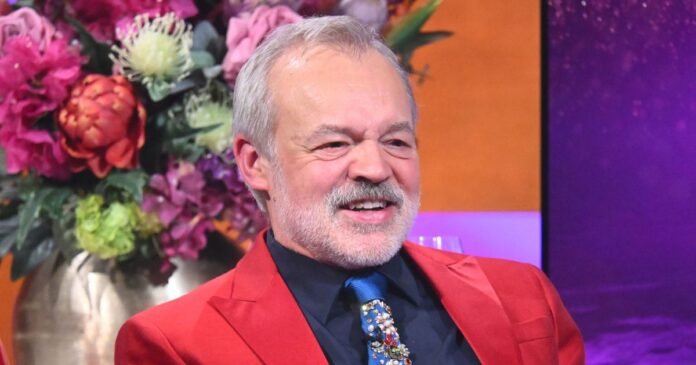
This sentiment was echoed by a distinguished panel of judges comprising cultural influencers and intellectuals such as Caleb Femi, Esther Freud, Graham Norton, Sathnam Sanghera, and Lea Ypi. Their choices prioritize narratives that bridge divides, challenge norms, and offer a counterbalance to the isolation prevalent in the digital era.
The four contenders competing for the £10,000 prize offer a diverse range of perspectives. Ben Brooks presents “The Greatest Possible Good,” a humorous family saga that questions the concept of a “good man” in today’s complex world.
Gurnaik Johal’s debut novel, “Saraswati,” takes readers on a global expedition as the protagonist uncovers a lost river in Northern India, unveiling the invisible ties that bind us across borders.
In addition, the enigmatic author Liadan Ní Chuinn delves into the enduring trauma of post-conflict Northern Ireland in the haunting short story collection “Every One Still Here.” By choosing anonymity, Ní Chuinn amplifies the collective weight of history over individual identities.
Most audacious of all is Harry Shukman’s “Year of the Rat,” a penetrating work of investigative non-fiction detailing his undercover experience infiltrating far-right groups in the UK, a crucial narrative in an era marked by increasing extremism.
The journey to the winner’s circle will culminate at the Barbican Centre on Monday, 23rd March, where Booker Prize recipient and advocate for marginalized voices Bernardine Evaristo will lead a panel discussion with the finalists.
This collaboration aims to ensure these transformative stories reach the hands of young audiences who stand to benefit the most, leveraging the Young Barbican program to democratize access to high-quality literature.
The ultimate showdown will unfold the following evening, Tuesday, 24th March, at the Whitechapel Gallery in London’s vibrant and culturally diverse East End. Amidst this creative backdrop, one of these bold authors will be crowned the champion, solidifying their position among a lineage of distinguished writers.